Introduction
The United States job market offers huge opportunities — but it also attracts scammers. Every year thousands of job seekers lose money, personal information, and even legal status because of fake job offers.
Scammers target:
- Fresh graduates
- International students
- Remote job seekers
- Immigrants new to the USA
They know that people are desperate for work and use this emotion to steal money or identity.
This guide will help you:
- Recognize common job scams
- Identify red flags
- Protect your personal data
- Report fake employers
- Apply safely in the USA
Why Job Scams Are Increasing
- Growth of remote work
- Online interviews
- Easy fake websites
- Cryptocurrency payments
- Lack of awareness
Anyone can create a fake company in minutes.
Most Common Job Scams in the USA
1. “Pay Money to Get Job” Scam
They ask for:
- Training fees
- Registration charges
- Background check payment
- Equipment deposit
❌ Real US companies NEVER ask candidates to pay.
2. Telegram / WhatsApp Interview Scam
- No video interview
- Only chat
- Offer letter in 1 hour
- High salary
🚩 100% fake.
3. Fake Remote Data Entry Jobs
Promises:
- $30–$50/hour
- No experience
- Easy typing
Then they ask for:
- Software purchase
- Gift cards
- Bank details
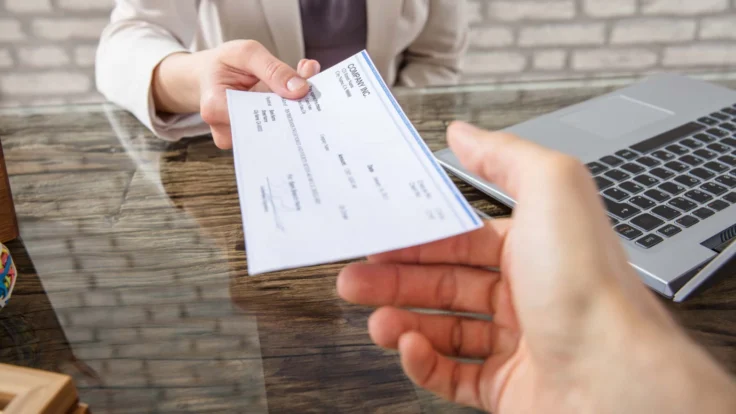
4. Check Deposit Scam
You receive a check and asked to:
- Deposit
- Buy equipment
- Send remaining money
Later the check bounces and you lose money.
5. Identity Theft Scam
They ask early for:
- SSN
- Driver license
- Bank login
- Passport
Dangerous!
6. Fake Government Job Scam
Using names like:
- USCIS
- IRS
- USAJobs
Real government jobs are only on usajobs.gov.
7. Reshipping Scam
You receive packages at home and resend them.
This is illegal and linked to stolen goods.
15 Major Red Flags 🚩
- No interview but offer
- Salary too high
- Gmail address
- Ask SSN early
- Pay for training
- Telegram chat
- No LinkedIn page
- Pressure to join today
- Grammar mistakes
- No company address
- Ask gift cards
- Free laptop after deposit
- No career website
- Copy-paste emails
- Weekend hiring
If you see 2–3 of these → RUN.
How Real USA Hiring Works
✔ Application
✔ Screening call
✔ Video interview
✔ Background check after offer
✔ Company pays all fees
You never pay anything.
How to Verify a Company
Step 1 – Check Website
- Real domain
- Career page
- Address
- Phone number
Step 2 – LinkedIn Check
- Company page
- Employees
- Recruiter profile
Step 3 – Google Search
“Company name + scam”
Step 4 – Call Official Number
Never use number from suspicious email.
What Information Is Safe to Share?
Safe After Interview
- Resume
- Phone
- City
NEVER Share Early
- SSN
- Bank details
- OTP
- Passport
- Driver license
- Credit report payment
If You Are Already Trapped
- Stop communication
- Don’t send money
- Inform bank
- Change passwords
- Report to authorities
Where to Report Job Scams
- FTC: reportfraud.ftc.gov
- FBI IC3: ic3.gov
- State Attorney General
- Better Business Bureau
- LinkedIn report option
Special Advice for Immigrants
- Never work cash-only
- Avoid fake sponsorship
- Don’t share visa copies
- Use official portals
Safe Websites to Apply
- Indeed
- Glassdoor
- Company career pages
- USAJobs.gov
- Handshake
Real vs Fake – Quick Comparison
| Real Job | Scam |
|---|---|
| Multiple interviews | Instant offer |
| Company email | Gmail |
| No payment | Asks money |
| Background later | SSN first |
| Normal salary | Too high |
10 Safety Rules
- Never pay
- Video interview must
- Verify domain
- Use LinkedIn
- No gift cards
- Don’t rush
- Protect SSN
- Check reviews
- Ask questions
- Trust your gut
Conclusion
Job scams in the USA are real, but you can stay completely safe if you remain alert. A genuine employer will respect process, time, and your privacy.
Remember:
👉 You should earn money from a job
👉 Not pay money for a job
Stay smart, verify everything, and your American job journey will be safe and successful.
FAQ
1. Do US companies ask for money?
No, never.
2. Is Telegram interview real?
Almost always fake.
3. When to share SSN?
Only after official offer and background check.
4. Can scammers use big company names?
Yes, they often pretend to be Amazon/Google.
5. Best way to verify?
Company website + LinkedIn + phone call.